About Joshua Tree
Two deserts, the Mojave and the Colorado, meet in a landscape of twisted Joshua trees and giant granite boulder piles. It is a world-class climbing area and a favorite for dark-sky stargazing near Los Angeles.
Two distinct desert ecosystems, the Mojave and the Colorado, come together in Joshua Tree National Park. A fascinating variety of plants and animals make their homes in a land sculpted by strong winds and occasional torrents of rain. Dark night skies, a rich cultural history, and surreal geologic features add to the wonder of this vast wilderness in southern California. Come explore for yourself! (National Park Service)
Don't miss
- Hidden Valley
- Cholla Cactus Garden
- Keys View
- Skull Rock
When to go
October to April
Planning a visit
Things to do
- Auto and ATV
- Scenic Driving
- Astronomy
- Stargazing
- Biking
- Camping
- Backcountry Camping
- Car or Front Country Camping
- Horse Camping
- Group Camping
- Climbing
- Rock Climbing
- Food
- Picnicking
Weather
Days are typically clear with less than 25% humidity. Temperatures are most comfortable in the spring and fall, with an average highs around 85°F (29°C) and average lows around 50°F (10°C) respectively. Winter brings cooler days, around 60°F (15°C), and freezing nights. It occasionally snows at higher elevations. Summers are hot, over 100°F (38°C) during the day and not cooling much below 75°F (24°C) at night.
Getting there
From I-10, take exit 117 for CA Hwy 62 toward 29 Palms/Yucca Valley. This will allow you to access the West Entrance, the North Entrance, Black Rock, and Indian Cove. Take exit 168 off I-10 to come in at the park's South Entrance.
Entrance fees
- Private Vehicle$30
- Motorcycle$25
- Per Person$15
Visitor details courtesy of the National Park Service. Official Joshua Tree site
 Channel IslandsCA
 Death ValleyCA, NV
 Kings CanyonCA
 Lassen VolcanicCA
 PinnaclesCA
 RedwoodCA
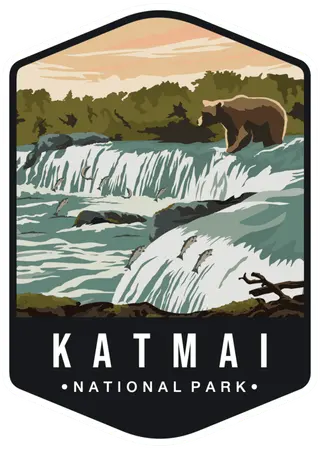 KatmaiAK
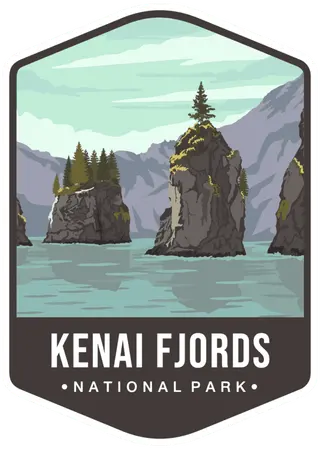 Kenai FjordsAK
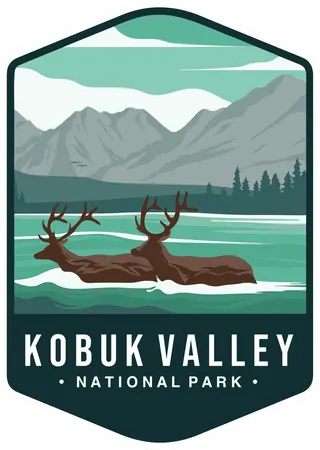 Kobuk ValleyAK
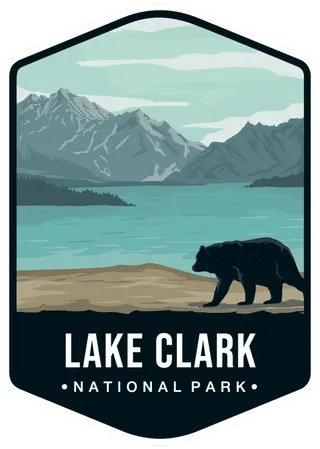 Lake ClarkAK
 Mammoth CaveKY
 Mesa VerdeCO