About Redwood
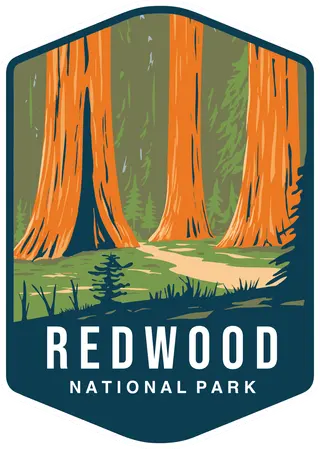
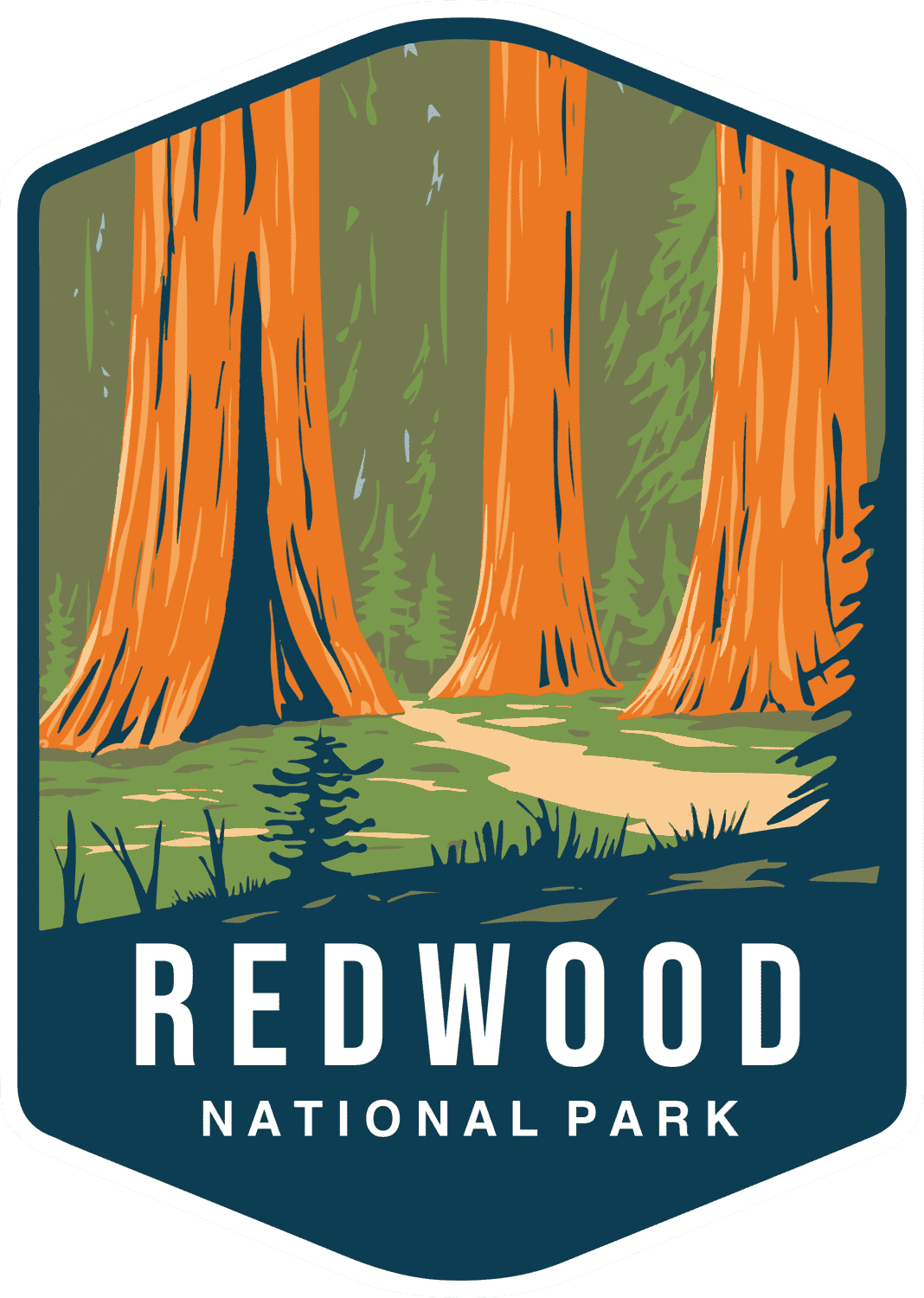
Managed together with three state parks, Redwood protects nearly half of the world's remaining old-growth coast redwoods, the tallest trees on Earth. The groves meet prairie, rivers and 40 miles of rugged Pacific coastline.
Renowned for the world’s tallest trees, Redwood’s landscapes span from open prairies and oak woodlands to pristine rivers and untamed coastline. This ancient home has supported people for thousands of years. The National Park Service and California State Parks now work to safeguard and rejuvenate these lands for everyone’s enjoyment, learning, and inspiration. (National Park Service)
Don't miss
- Tall Trees Grove
- Lady Bird Johnson Grove
- Fern Canyon
- Elk at Elk Prairie
When to go
May to October
Planning a visit
Things to do
- Arts and Culture
- Cultural Demonstrations
- Auto and ATV
- Scenic Driving
- Biking
- Mountain Biking
- Road Biking
- Camping
- Backcountry Camping
- Car or Front Country Camping
- Horse Camping
- RV Camping
- Fishing
- Saltwater Fishing
Weather
Visitors should be prepared for cooler and damp weather. Dress in layers and expect to get wet. Year-round temperatures along California's redwood coast: mid-40s°F (7°C) to mid-60s°F (18°C). Summer can be foggy, with highs occasionally reaching low 70s°F (20°C). Winters are cooler with considerable rain. October through April averages 60-80 inches of rain over the region.
Getting there
Redwood National and State Parks is located in northernmost coastal California - almost on the Oregon border. The parks are about 60-miles long, with four visitor centers from north to south. We are a six to seven-hour drive (325 miles) north of San Francisco, a six-hour drive (330 miles) south of Portland, OR and a four-hour drive (170 miles) west of Redding, CA.
Visitor details courtesy of the National Park Service. Official Redwood site
 Channel IslandsCA
 Death ValleyCA, NV
 Joshua TreeCA
 Kings CanyonCA
 Lassen VolcanicCA
 PinnaclesCA
 Rocky MountainCO
 SaguaroAZ
 SequoiaCA
 ShenandoahVA
 Theodore RooseveltND
 Virgin IslandsVI