About Congaree
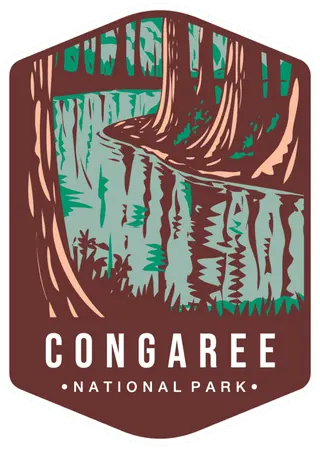
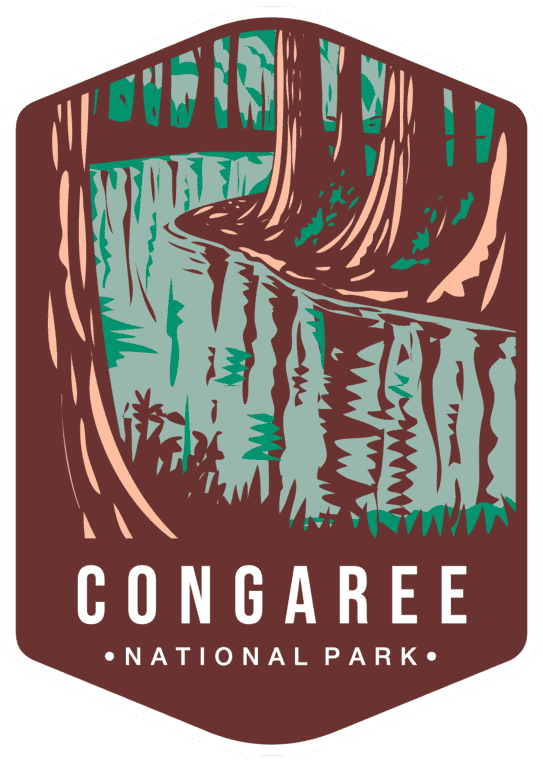
Congaree protects the largest intact expanse of old-growth bottomland hardwood forest in the southeastern US, with some of the tallest trees east of the Mississippi. Synchronous fireflies light up the floodplain for a few weeks each spring.
Astonishing biodiversity exists in Congaree National Park, the largest intact expanse of old growth bottomland hardwood forest remaining in the southeastern United States. Waters from the Congaree and Wateree Rivers sweep through the floodplain, carrying nutrients and sediments that nourish and rejuvenate this ecosystem and support the growth of national and state champion trees. (National Park Service)
Don't miss
- Boardwalk Loop
- Cedar Creek by canoe
- Champion bald cypress
- Synchronous fireflies
When to go
Spring and fall; mid-May to mid-June for fireflies
Planning a visit
Things to do
- Camping
- Backcountry Camping
- Canoe or Kayak Camping
- Car or Front Country Camping
- Group Camping
- Fishing
- Freshwater Fishing
- Food
- Picnicking
- Guided Tours
- Self-Guided Tours - Walking
- Hands-On
- Citizen Science
- Volunteer Vacation
Weather
Check the forecast before getting on the road. Conditions can change rapidly within the park. Flooding can happen with little or no warning, so make sure to check water levels for Cedar Creek and the Congaree River.
Getting there
From Interstate 77, Exit 5 At Exit 5 turn onto SC Hwy 48 East/Bluff Road. Following the brown and white "Congaree National Park" directional signs, travel approximately 8 miles on and then take a slight right onto Old Bluff Road. Follow Old Bluff Road for 4.5 miles to the park entrance sign, which will be on the right. Proceed one mile to the Harry Hampton Visitor Center. Parking lots will be on the right.
Visitor details courtesy of the National Park Service. Official Congaree site
 Brown v. Board of EducationKS, SC
 CowpensSC
 Kings MountainSC
 Crater LakeOR
 Cuyahoga ValleyOH
 Death ValleyCA, NV
 DenaliAK
 Dry TortugasFL
 EvergladesFL